The biomedicines manufacturing sector as a strategic asset for France

France is already well known for its excellence in healthcare. It is home to major pharmaceutical companies such as Sanofi, Servier and Merck, and internationally renowned research institutes including INSERM, the French National Institute of Health and Medical Research. 

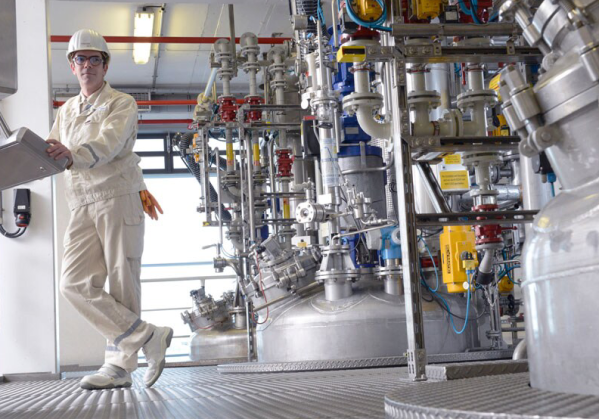
The Bioproduction Sector in France is a robust and comprehensive ecosystem, covering the entire value chain through its 8 essential components: academic research & training institutions, biotechnology players, CDMOs* (Contract Development Manufacturing Organizations), equipment manufacturers, technology solution providers, pharmaceutical groups, competitiveness clusters & hubs, as well as professional associations & unions. 

 A network of companies and institutions: 
- Over 900 companies and institutions involved in bioproduction 
- 52 GMP bioproduction sites owned by 35 companies in France — the highest number in Europe 

 Dynamic growth: 
- 60% increase in the number of bioproduction sites in France over the past 3 years 
- Significant acceleration in private investment over the past 3 years, exceeding €4.5 billion 

 Leadership in biopharmaceuticals: 
- 690 unique biopharmaceuticals marketed in Europe, 52% of which are in France 
- 2,886 biopharmaceuticals in development across Europe (preclinical and clinical phases), with 20.24% in France, placing the country 2nd in Europe after the United Kingdom 
- 246 biopharmaceuticals in clinical trials in France, ranking the country 4th in Europe 

 High-level training: 
- Over 330 bioproduction-related training programs in France
Building on France's strengths, notably the presence of the entire biomedical value chain throughout the country, the Filière and the French government have joined forces to help France catch up with the rest of Europe in biomedicines biomanufacturing.

Developing the French biomanufacturing sector will ensure the country’s independence in relation to the supply of innovative biological medicines and biotherapies, on the background of global supply shortages of healthcare products

While globalisation has led to offshoring in pharmaceutical manufacturing, including biopharmaceuticals, the COVID-19 pandemic severely disrupted production and raw material supply chains, causing shortages of all kinds of healthcare products around the world. To minimise the impact of these conditions, France is investing in the development of the sector to re-establish its independence and sovereignty in the supply of biopharmaceuticals.

It is a growth sector: The biopharmaceuticals market is projected to grow 10% annually

> 59% of medicines in development are biological medicines > The biological medicines market is currently worth €400 billion, equating to 33% of the global pharmaceutical market These new therapies represent a major economic challenge, but also a challenge for the future of the healthcare system and health sovereignty.

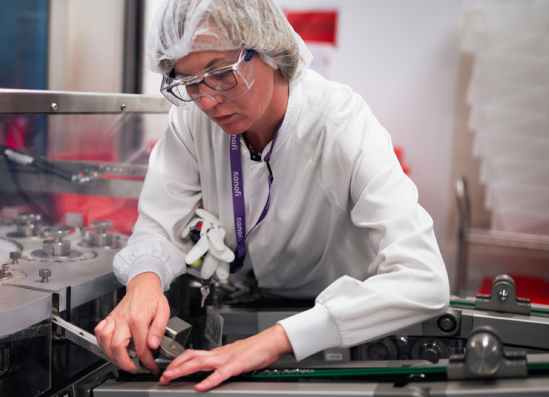
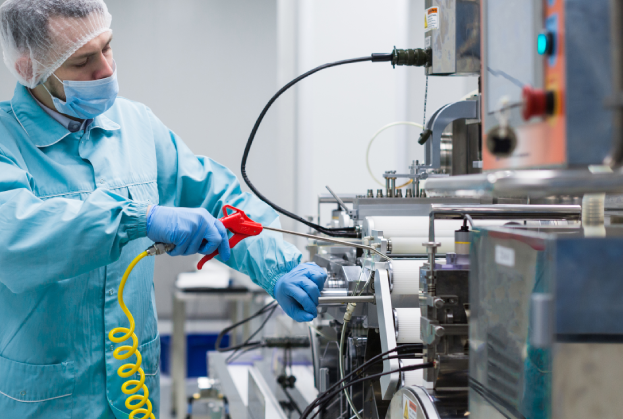
Developing the French biomanufacturing sector supports the emergence of new skills that will benefit all professions in the biopharmaceutical manufacturing value chain.

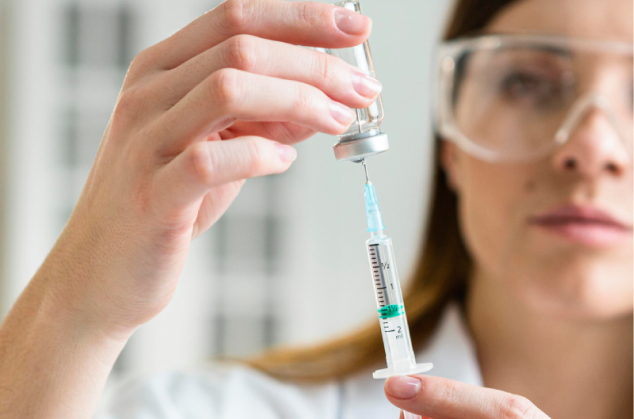
Biomedicines are healthcare products with specific requirements in terms of manufacturing, packaging, maintenance and other processes. 

These new requirements extend to pharmacists and caregivers, who will need to familiarise themselves with new processes for prescribing and monitoring these innovative therapies. New skills are therefore needed at every stage in the handling of biomedicines.
Training in biomanufacturing, whether as part of university or continuing education, helps develop new skills that can be applied not only to careers in biomanufacturing and biomedicines, but across the handling chain as a whole. With biological medicines accounting for half of all medicines in development, they are set to take on a pivotal role in the treatment portfolio. Considering that 6 out of every 10 drugs under development are biomedicines, they are destined to take a central place in the therapeutic offering. By investing in training in biomanufacturing now, the entire healthcare system will be able to benefit from and adapt to these skills, as biopharmaceuticals and biotherapies establish a role in the medical and pharmaceutical landscape.